

A Mom's Path to Belonging
Neema Andrew traveled through six states in search of a place to call home. Every door that closed on her only made her more determined to find stability for her son.

The Mommune explores the nuances of motherhood through intimate conversations with moms across the country. If you enjoy what you read, please tap the ❤️ button, restack, or share with someone you know.
MOM: Neema Andrew
JOB: Student
LOCATION: Denver, Colorado
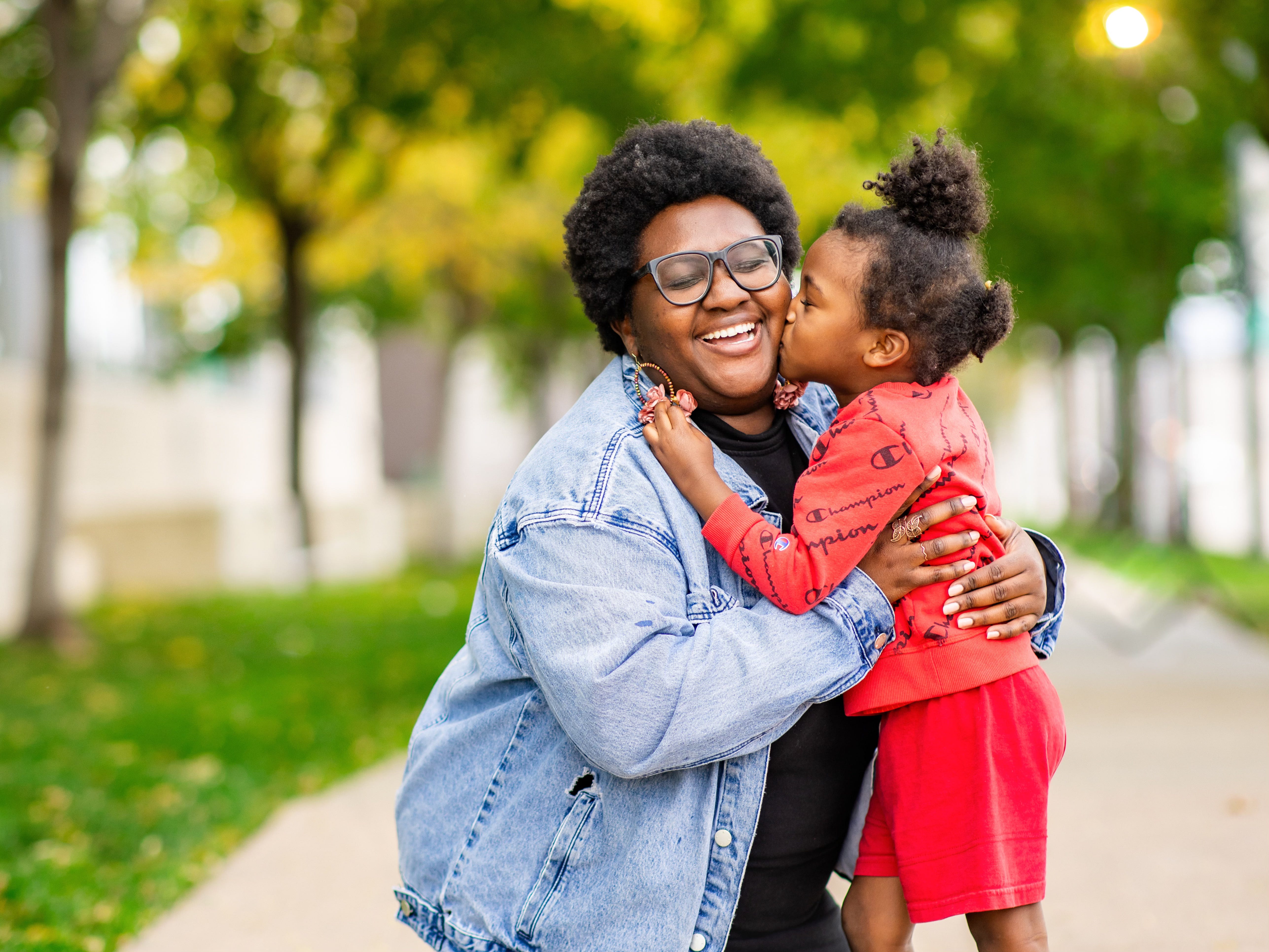
“When you’re surrounded by other mothers, you realize you’re not alone in this. There’s a sisterhood there. A shared understanding.”
The old adage that it takes a village to raise a child gets repeated often. But when most of us look around, we’re left wondering where the heck is our village. That’s because it isn’t easy to build a support system. And for time-strapped mothers who already have too much on their plates, the thought of doing one more thing can, well, tip us over the edge. So, when I hear about communities that exist for the sole purpose of scaffolding vulnerable parents, my ears perk up.
This week’s mom, Neema Andrew, criss-crossed the country looking for such a place when her son was born four years ago. “In the first 18 months of his life, I traveled to six states in search of stability,” she says. “I was hoping family and friends would come through but a lot of doors were closed.” Neema, who was born and raised in Tanzania, the youngest of 10 siblings, suddenly found herself alone.
Eventually she arrived at Warren Village, in Denver, Colorado, a housing campus for low-income single-parent families offering subsidized rent, childcare services, parenting courses, and financial classes, all designed to put residents on a path towards self-sufficiency. “They help moms go from surviving to thriving and give us our dignity back,” says Neema, who had to learn to trust that people would want to help her, no strings attached.
The Mommune Q&A:
Have you found a sense of belonging at Warren Village?
Neema: It’s hard to trust at first. I was protective of my heart and son. But when you’re surrounded by other mothers, you realize you’re not alone in this. There’s a sisterhood there. A shared understanding. You don’t have to explain yourself for someone to say, “I got you.”
How did your upbringing in Tanzania shape who you are today?
Neema: I grew up in a Christian home within a collectivist culture that isn’t about the individual but the group as a whole. You don’t find your own path. You fall in line and follow your family’s wishes. You don’t question authority figures. You obey. Saying “yes” is a sign of respect. So, as a young person, I didn’t know who I truly was.
“My mom died when I was 9. Even though I only knew her for nine years, she taught me the meaning of kindness. I watched her give her time and love generously, forgive people who treated her badly, and never turn anyone away.”
How would you describe your identity now?
Neema: I am figuring it out, especially as a mother. But healing my inner child has been a big part of that. Connecting with younger versions of myself and remembering the simple things that brought me joy has helped me understand who I am now and who I want to become.
What is your relationship with religion at this stage of your life?
Neema: My dad was a pastor and I was raised with a lot of fear. Love was not unconditional. I don’t want my son to be scared of me or feel like he can’t come to me for anything. I want him to know that I will always love him whether he is “good” or not.
What kind of mom raised you?
Neema: My mom died when I was 9. She was the glue of the family. Even though I only knew her for nine years, she taught me the meaning of kindness. I watched her give her time and love generously, forgive people who treated her badly, and never turn anyone away. I still feel her impact today.
How do you keep her memory alive?
Neema: My mom’s beauty routine was simple: perfume, hair, jewelry, and red lipstick. Lipstick was her thing and sometimes she’d a dab a little on me. When she did, I felt beautiful. Like her. And she was beautiful inside and out. Now, as a grown woman, I always wear lipstick because it reminds me of her.
Are you close to your sisters?
Neema: My sisters live all over the world. We’re two to three years apart. And all of them are mothers, but we’re not as close as we’d like to be. When my dad married my stepmom and they came to the United States, we weren’t encouraged to stay connected. We respect each other, because that’s what you do in a collectivist society, but I can’t easily pick up the phone and call them.
Mom Thread
50 Cent on losing his mom as a kid: I used to feel like everything that was going wrong was going wrong because my mom wasn’t there.”
The United States is one of the only countries in the world to not guarantee any form of paid leave.
An opinion piece on Trump’s new website courting moms: “A smart countermovement should take motherhood seriously, not as rhetoric but as policy and vision.”
Thank goodness for places like Warren Village! I wish there were more of them. And bravo to Neema for not giving up. I'm always in awe of the resourcefulness and strength of the women you interview.