

Motherhood and Mortality
Conversations with my daughters about death, and their big plans to divvy up all my belongings.

My daughters recently started divvying up my stuff: dresses, jewelry, bags, even an old pair of patent leather heels I haven’t worn in years. None of it branded Chanel or Cartier, but rather things they deem pretty enough to bicker about.
“I get the gold hoops,” one of them says. “Not fair!” the other chimes in. “You already called the necklace with the green beads.”
I listen with amusement as the list grows longer. Only stepping in when they start arguing about the pajamas currently on my back, as if I was a mannequin at a tag sale. “And when exactly are you planning to collect these items?” I ask, interrupting the conversation.
“After you’re no longer here,” the 11-year-old answers matter-of-factly. Her sister, 13, nods in agreement, giving my shoulder a sympathetic rub.
Not sure when my girls came around to the idea that one day I would be gone but the revelation brings me a sense of peace I didn’t expect.
I remember the first time they asked if I was going to die. They were about 3 and 5. I was putting them in bed and getting ready to say good night when, in true kid form, they brought up the topic seconds before I could exit the room. Their big brown eyes observing me in the dim room as the ocean waves emanating from the sound machine on their dresser filled the silence. I let the imaginary surf wash over me as I gathered my thoughts, keenly aware of how tiny they seemed tucked under the covers in their bunkbed.
“Hopefully when I’m very, very old,” I said, relieved to have found a satisfactory enough answer.
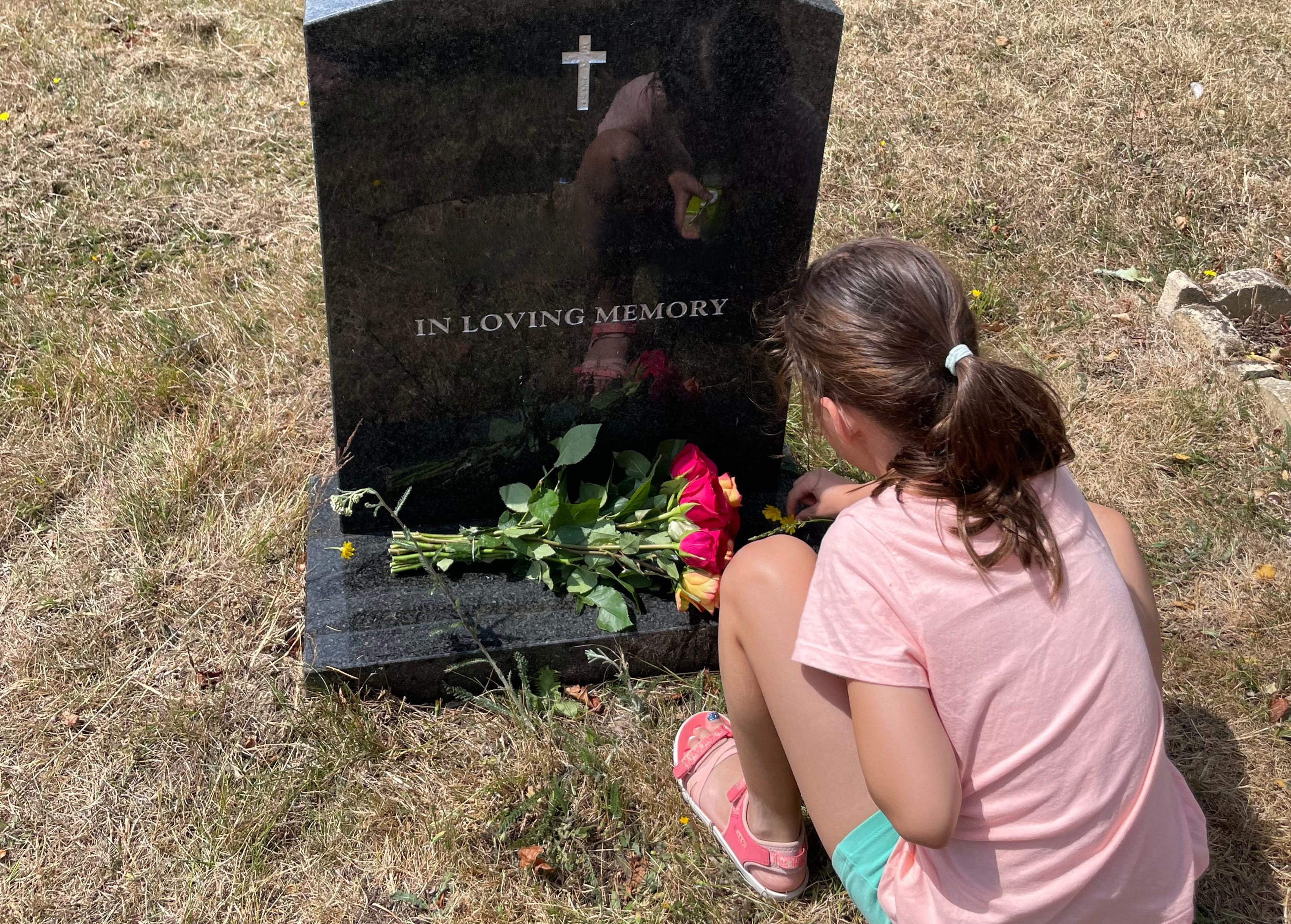
The next day, they asked again. I wasn’t surprised. Death had always been a part of our lives. They had lost both grandmothers and their paternal grandfather before they could get to know them. In fact, they had visited enough burial sites to know gravestones were not Halloween decorations but symbols of remembrance, even if they had no memory of the people laid to rest below.
“My mother didn’t like talking about death. She believed that mentioning the d-word was an invitation for it to barge through our door, kick its dusty feet up on the coffee table, and stay a while.”
But as many questions as I fielded about death, none had previously touched on my own demise. So, when the subject came up all those years ago, I desperately wanted to tell them that I would never leave them. That as their mother I would always protect them. I wanted badly to put their little minds at ease. Instead, I repeated the same line from the previous night, careful not to confuse them.
As they’ve gotten older, our conversations have become more complex. Along the way, we’ve discussed why people die, what happens after death, and whether heaven exists. And I’ve always used clear, concrete language, leaving space for them to formulate their own thoughts and opinions.
My mother didn’t like talking about death. She believed that mentioning the d-word was an invitation for it to barge through our door, kick its dusty feet up on the coffee table, and stay a while. “Let’s chat about something happier,” she’d often say. As a young girl, I considered death taboo, only to be spoken of in hushed tones and never in relation to my mom. But death, cliché as it may sound, is a reminder to live fully in appreciation of each moment we have together.
That my children recognize my mortality is a good thing and one more sign that they’re maturing. I also see it as reassurance that they’ll be alright when the time eventually comes. My only hope is that it arrives when I’m very, very old. Until then, my daughters can borrow those gold hoops and anything else they want. Geez! “You just have to ask,” I tell them.
If you enjoyed this essay, please tap the ❤️ button, restack, or share with a mom in your life.
I loved it! ❤️ Me hiciste sonreír y emocionar. 😘